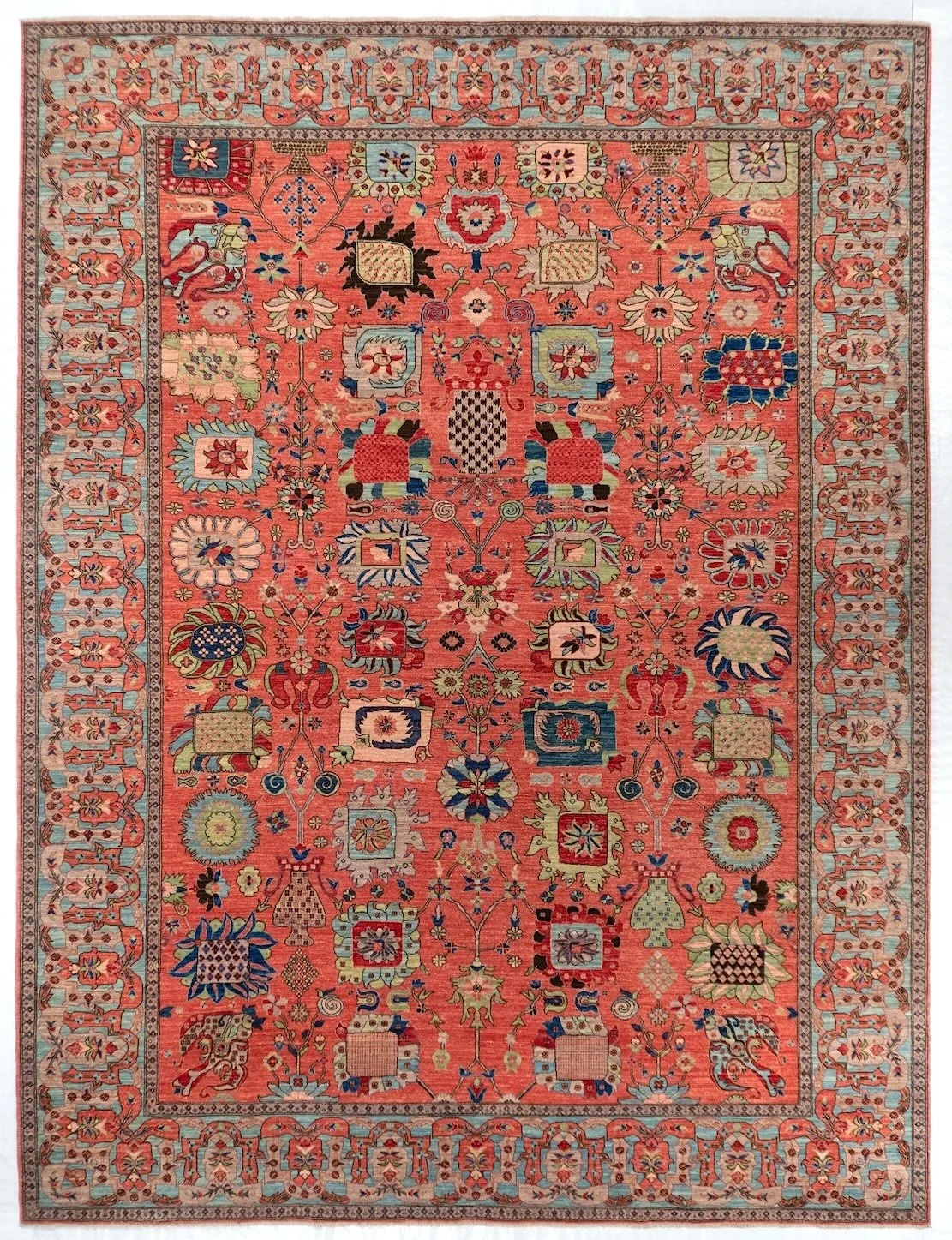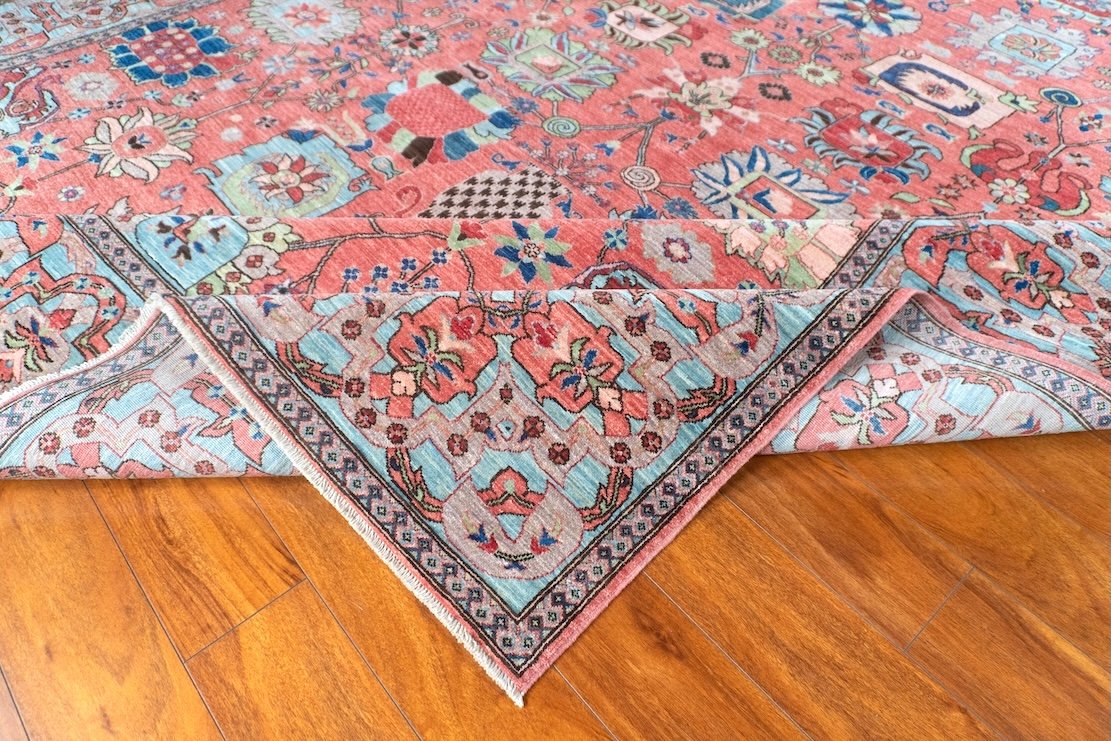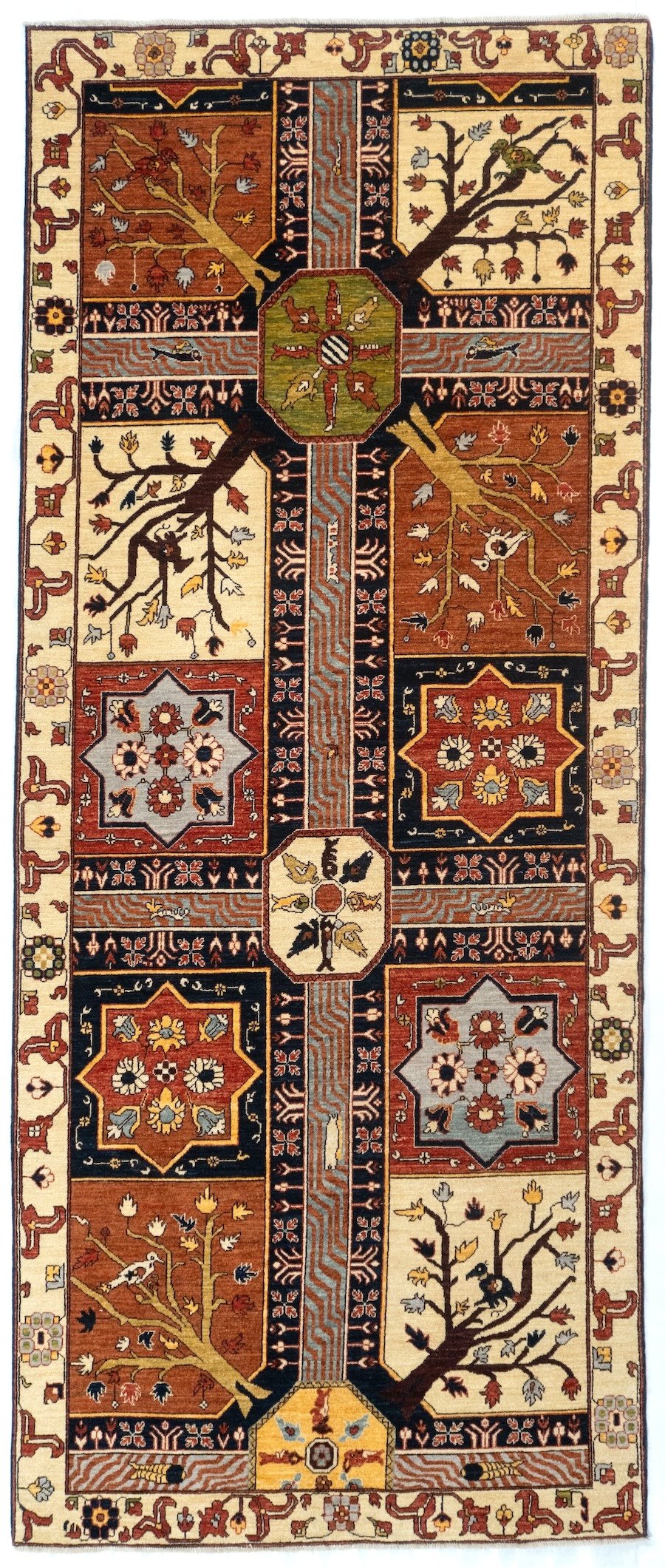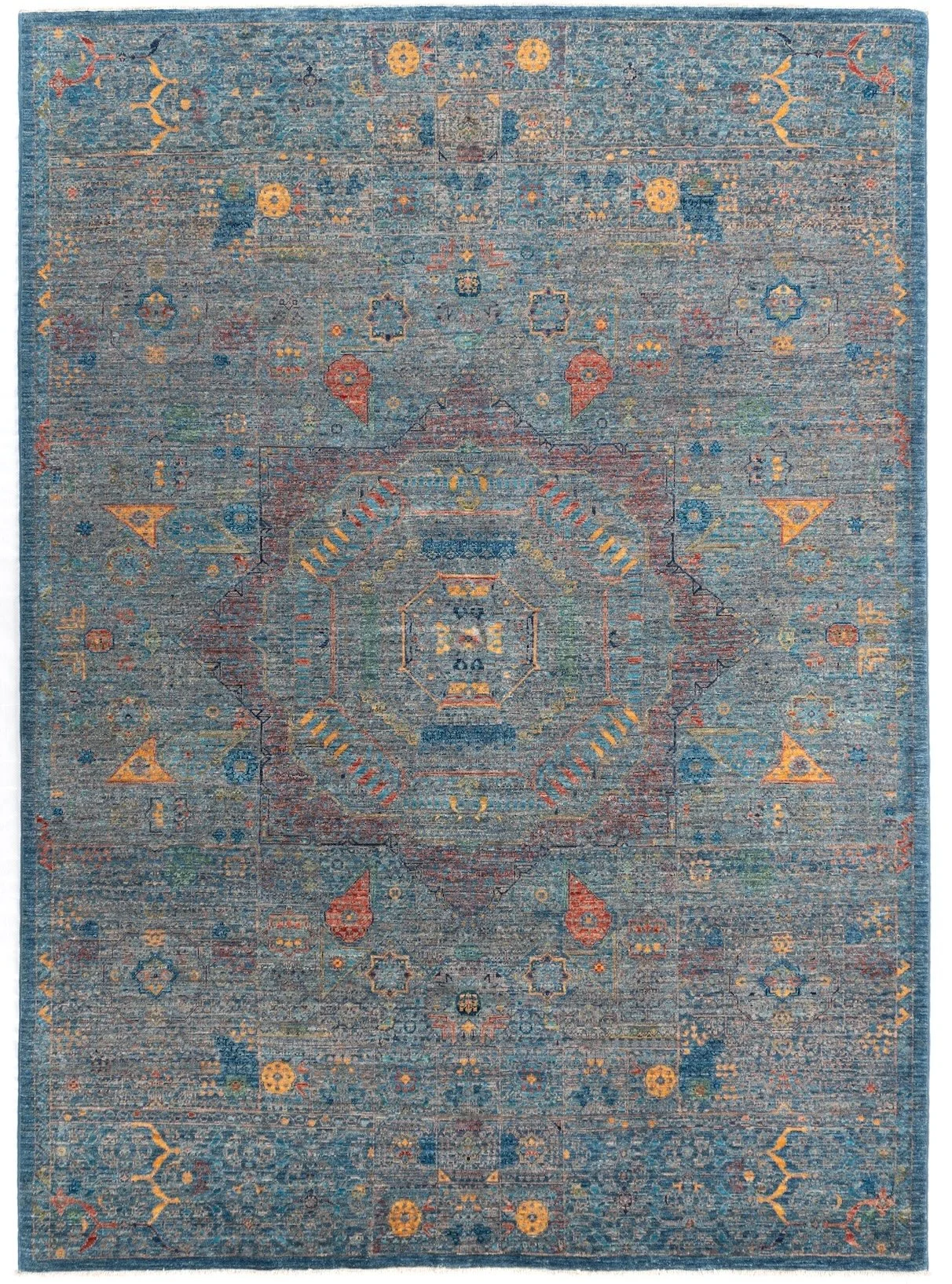
6'x8'9" Imerial, Classic
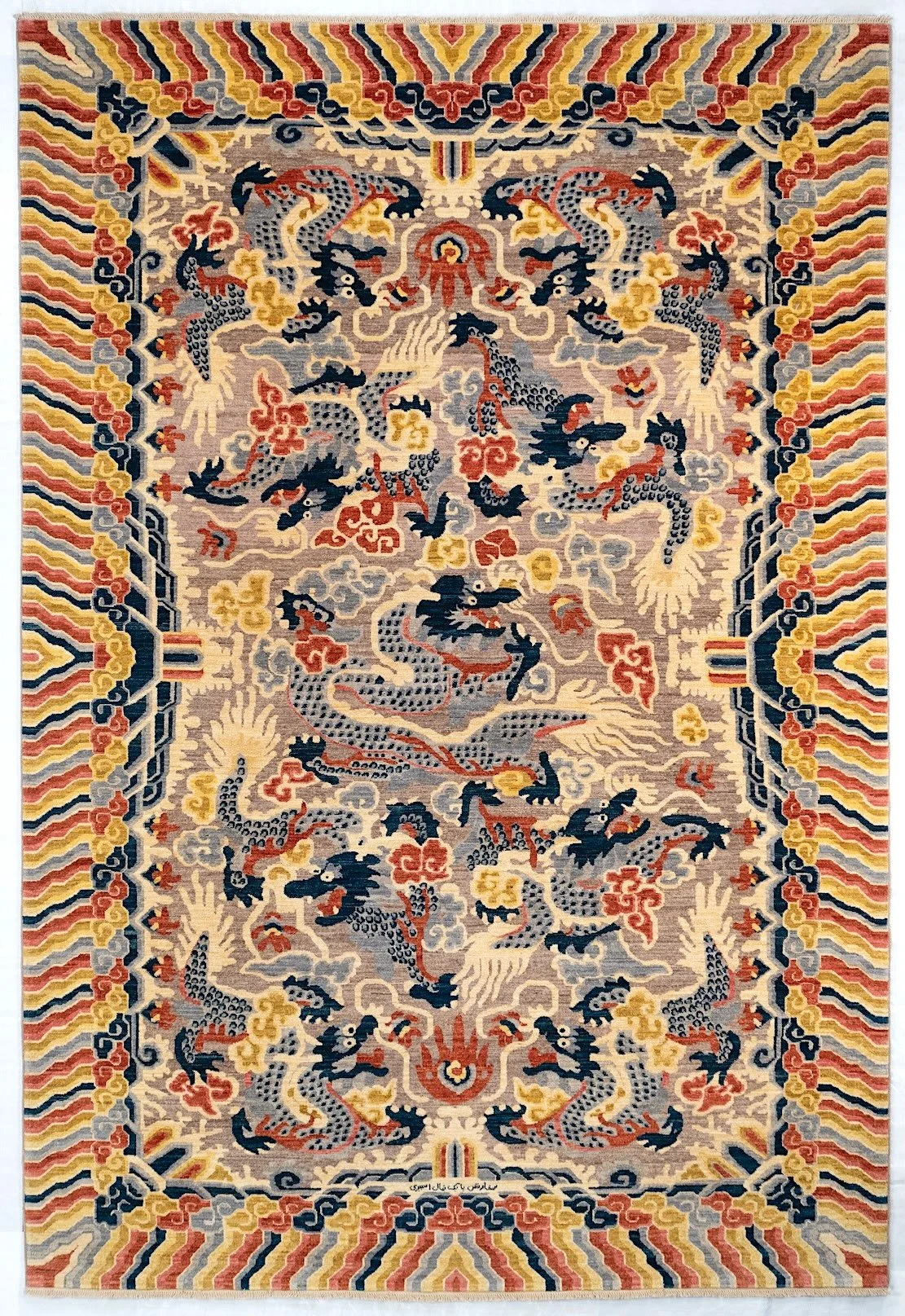
6'x8'9" Imerial, Classic
Stock Number: 6501
Country of Origin: Afghanistan
Stock Sizes: 6'x9'
Construction: Hand-knotted
Pile Content: Wool
Imperial Nine-Dragon Wool Carpet – Imperial Court
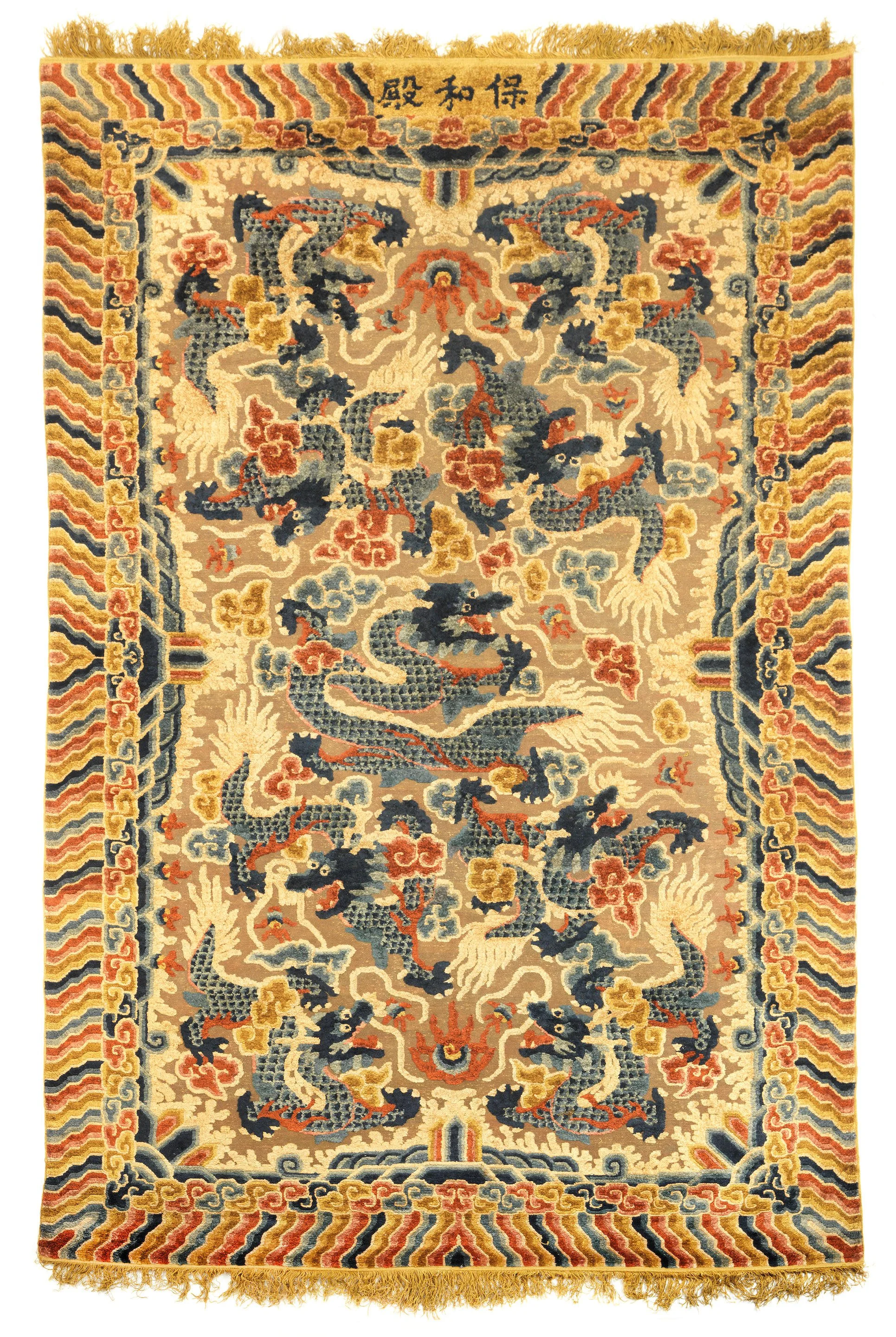
This exceptional hand-knotted carpet is a refined reinterpretation of the historic Imperial Nine-Dragon Carpet, one of the most celebrated masterpieces once reserved for the Qing Dynasty court. The original piece is renowned for its celestial dragon iconography, powerful symmetry, and exquisite craftsmanship—hallmarks of the highest level of imperial Chinese textile arts.
Design Features
A commanding ensemble of nine imperial five-clawed dragons, each meticulously rendered and symbolically arranged to represent ultimate authority and sovereignty
Billowing cloud forms, sacred mountain shapes, and ocean-wave motifs, echoing the cosmological symbolism central to Qing imperial aesthetics
A distinguished color palette inspired by court tradition—imperial yellow, lapis blue, cinnabar red, jade green, and deep midnight tones
Crisp, finely drawn outlines and shading that bring each dragon and celestial motif to life, preserving the drama and movement of the original design
Craftsmanship
This contemporary interpretation is expertly woven by master artisans using:
Premium hand-spun wool chosen for its durability, soft sheen, and ability to hold fine detail
High-knot-density techniques that recreate the precision and refinement found in palace workshop textiles
The result is a richly textured, visually commanding carpet that honors both the artistry and ceremonial grandeur of the Qing imperial legacy—now interpreted through the warmth and resilience of pure wool.
Cultural Background
Imperial dragon carpets held profound significance within the Chinese court. Reserved solely for the emperor, these textiles symbolized cosmic legitimacy, protection, and the Mandate of Heaven. The nine-dragon motif, paired with the exclusive five-clawed dragon emblem, represented the highest expression of imperial power. Such carpets once graced throne rooms, major ceremonial halls, and sacred imperial chambers throughout the Qing Dynasty.